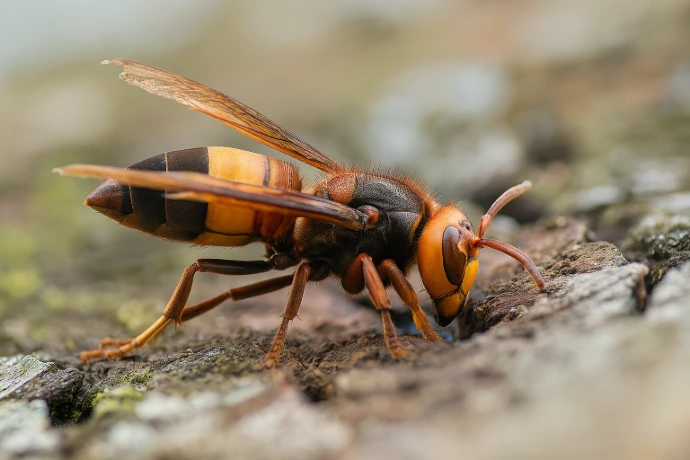
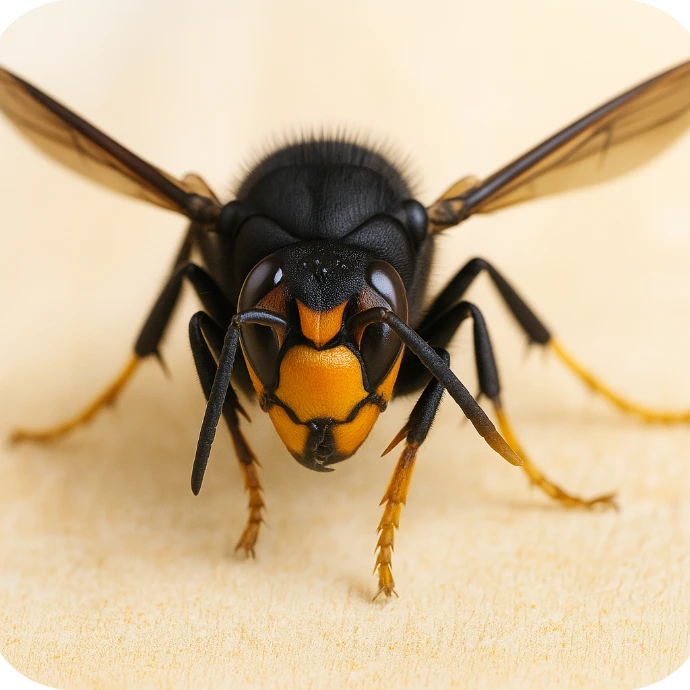
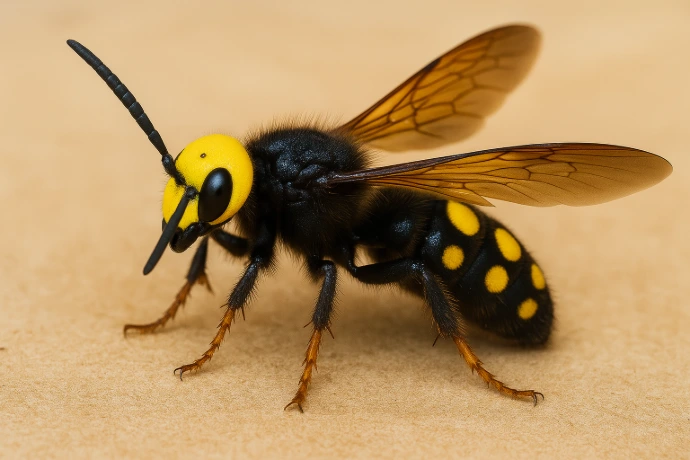
The Asian Hornet
An urgent ecological threat in Europe
Why one nest is one too many
Per secondary nest per year:
11.3 kg
Insects
1.400
Species
45.000
Honeybees
3.000-8.000
Hornets born
25-50
Fertilised queens survive the winter,
and repeat the cycle
2004
2010
2011
2012
2014
2016
2017
2018
2020
2023
2024
2025
France
Spain
Portugal
Italy
Germany
Belgium, the UK
Netherlands
Mallorca
Switzerland, Luxembourg
Hungary
Austria, Slovakia
Ireland
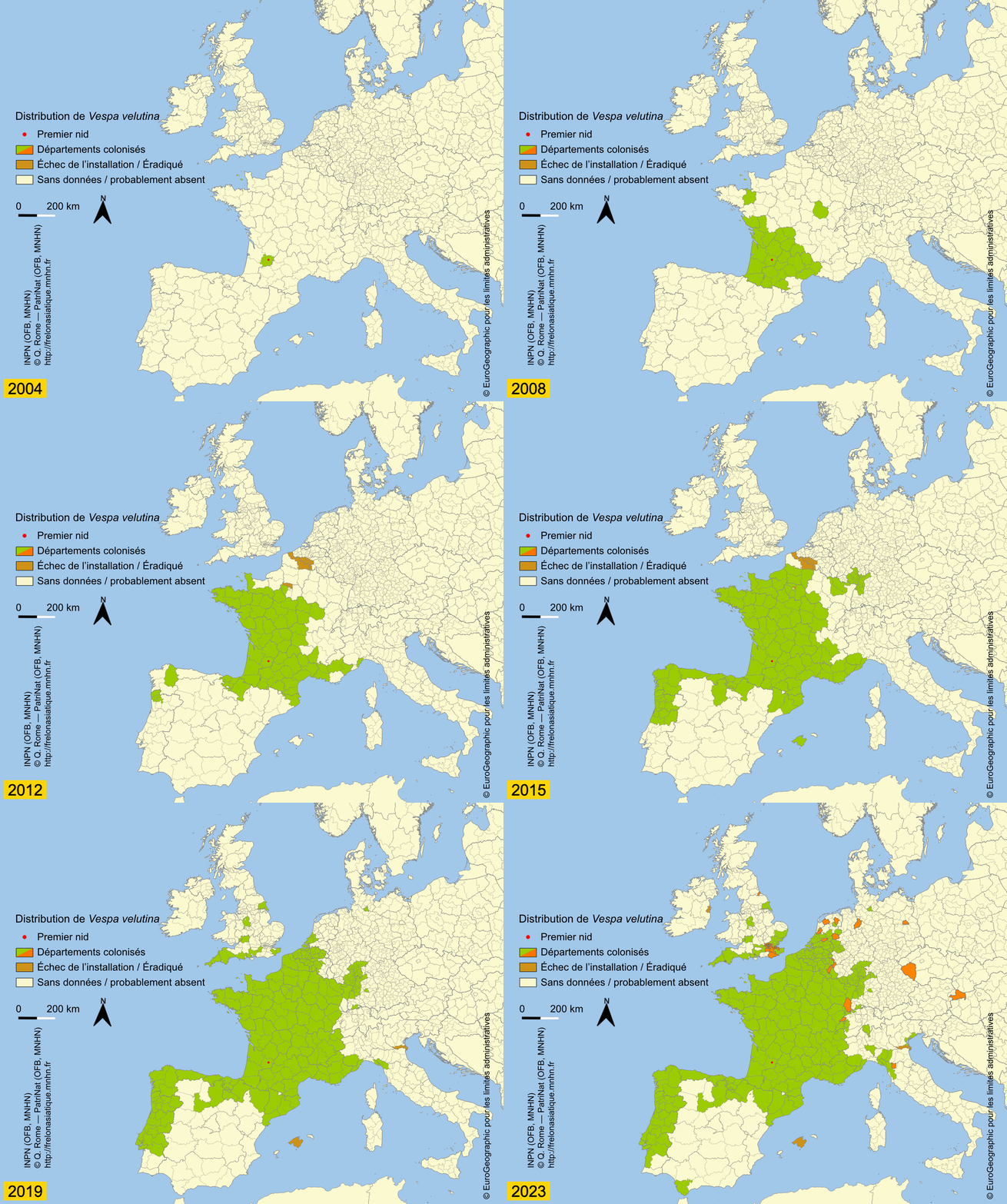
The spread in Europe since 2004
In 2004, a single Asian hornet queen reached the south-west of France, hidden in a shipment from China.
A few years later, the species had already spread across Europe, with a significant impact on bees and biodiversity.
Today, the Asian hornet is present in more than 13 countries — and continues to expand.
France
It is estimated that there are ≥500,000 nests, with an estimated economic impact of €30.8 million per year due to loss of bee colonies, pollination and honey production.
In addition, approximately €12 millioen in public funds is spent each year on locating and removing nests.
Portugal
Up to 5 nests per km² have been established, with up to 50% loss of beehives and a decline in honey production of 35%.
Wine and fruit cultivation are also heavily affected, as ripening fruit in vineyards and orchards is damaged (up to 75% damage to grapes).
Belgium
The number of nests quintupled in 2023 and is expected to exceed 10,000 in Flanders alone by 2025.
Approximately 11% of Belgian agriculture, worth €250 million per year, depends on pollination — up to 64% in the fruit sector.
In Belgium, Flanders - number of reported nests
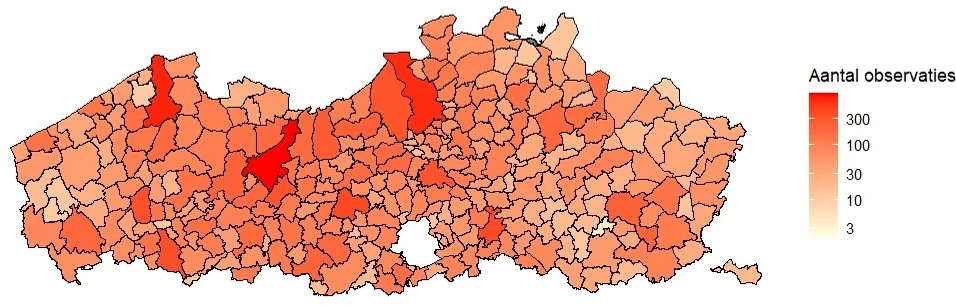
Number per municipality in 2025
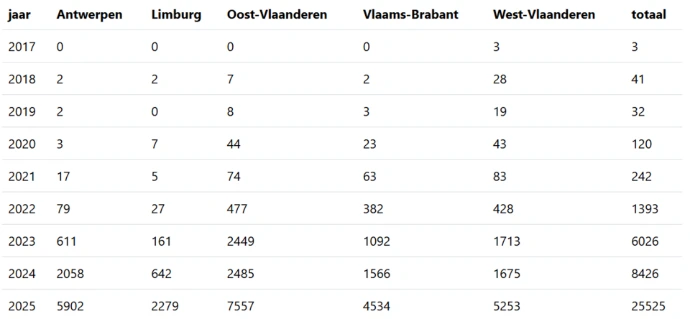
Number per province, per year since 2017
Why a scalable solution is urgently needed
Pollinators and honeybees are the backbone of our agriculture.
They account for about 80% of all pollination and support more than a third of our global food production. Each bee visits up to 5,000 flowers a day, contributing to the production of fruits, vegetables, nuts, and seeds — while producing barely 1/12 of a teaspoon of honey in its entire lifetime.
But this essential work is coming under increasing pressure.
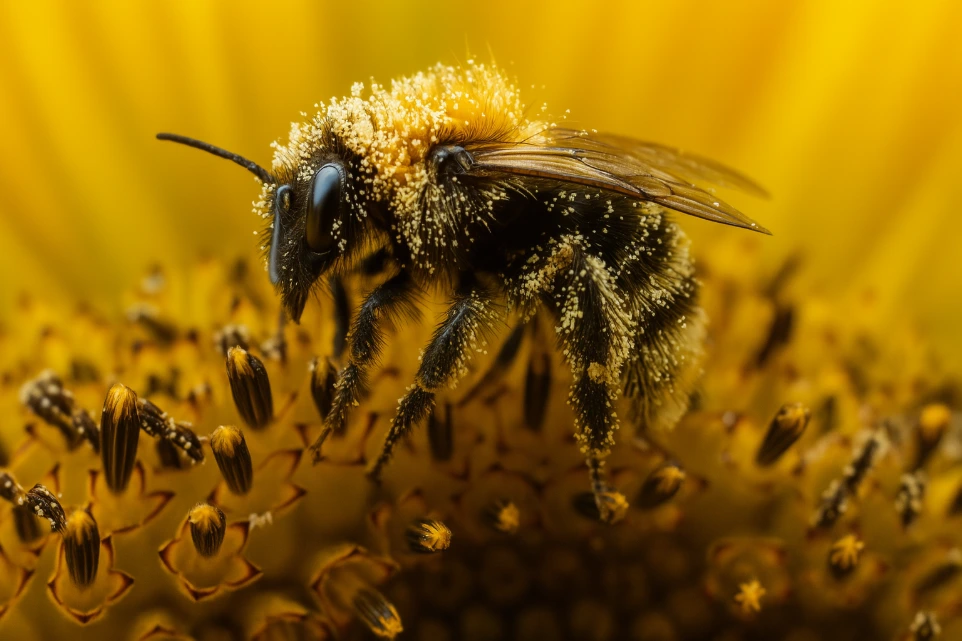
The presence of the Asian hornet causes 'foraging paralysis', causing bees to retreat into their hive and stop collecting nectar and pollen — with serious consequences for their survival in winter. Additionally, one Asian hornet can catch and eat up to 50 bees per day. One nest is estimated to destroy 45,000 honeybees — equivalent to up to 225 million lost pollination moments per day.
Multiply this by thousands of nests, and the impact becomes enormous — with direct consequences for biodiversity, agriculture, and food security.
JOIN OUR MISSION
We are not only focusing on the Asian hornet — we are setting a new standard.
Our modular digital solution is ready for the challenges of tomorrow.